Walk through any grocery store, and you'll quickly notice a pattern. Protein bars. Protein cereal. Protein coffee. Protein chips. Even donuts are being marketed as high-protein foods.
The message is loud and clear: Eat more protein.
But where did this message come from? More importantly, is it a message that applies equally to everyone?
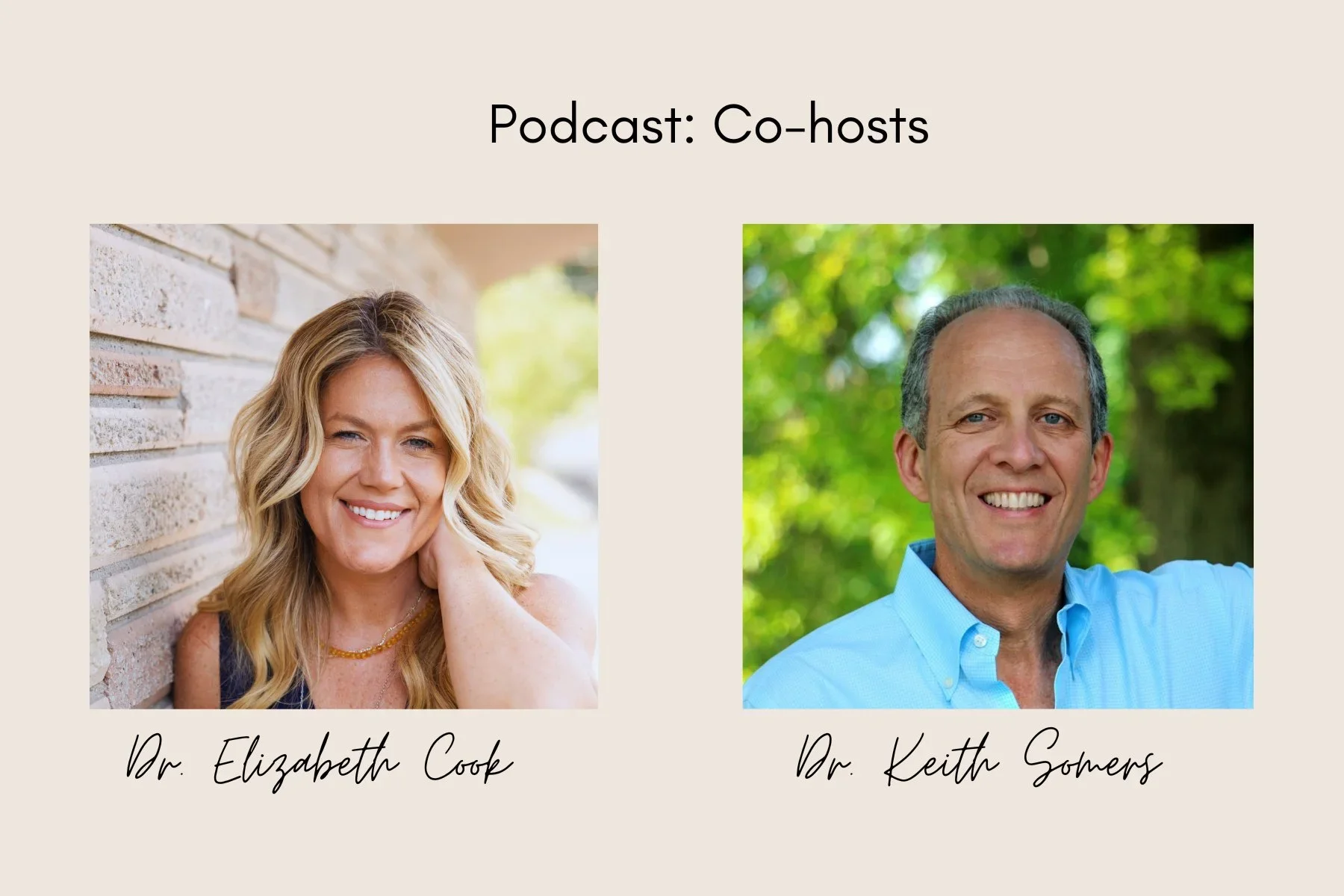
These were the questions we explored in a recent conversation on Illuminating Being. Rather than debating whether protein is "good" or "bad," we stepped back to examine the larger picture how nutrition messaging shapes our decisions and what it means to nourish ourselves in a more intentional way.
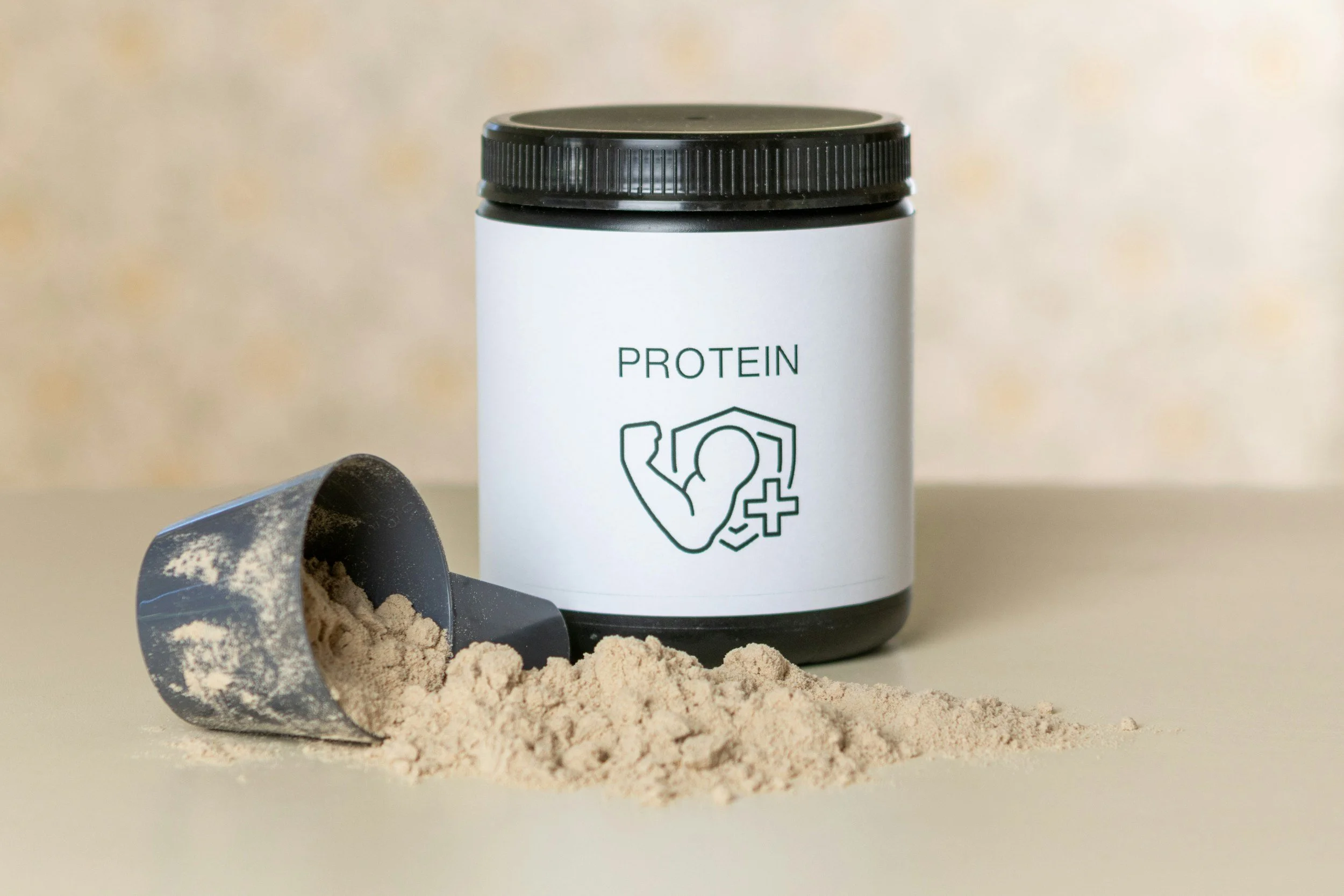
The Rise of Protein Panic
Many of us have found ourselves wondering:
"Am I getting enough protein?"
It's an understandable question. We're surrounded by advertisements suggesting that protein is the missing ingredient to better health, more energy, stronger muscles, and successful aging.
When the same message appears everywhere, it can begin to feel like everyone else knows something we don't.
But awareness invites a different question:
Who is this message actually for?
A teenager training for competitive sports has different nutritional needs than a middle-aged office worker. Someone recovering from surgery has different needs than a healthy adult. Nutrition has always been personal, yet marketing often delivers one message to everyone.
Health Is More Than One Nutrient
Protein is an important part of a healthy diet. Our bodies rely on it to build and repair tissues, support muscle health, and perform countless biological functions.
The challenge begins when one nutrient becomes the entire conversation.
When we focus exclusively on protein, it's easy to overlook other essential pieces of health:
Fiber
Fruits and vegetables
Whole grains
Healthy fats
Hydration
Sleep
Movement
Connection around the table
Real health isn't built from one number on a nutrition label. It's created through the interaction of many daily choices.
The Bigger Picture: Whole Foods Matter
One of the recurring themes in our discussion was simplicity.
Author Michael Pollan famously summarized healthy eating in seven words:
"Eat food. Not too much. Mostly plants."
It's remarkably simple advice, yet it shifts our attention away from isolated nutrients and back toward whole foods.
Whole foods don't provide protein alone. They deliver fiber, vitamins, minerals, antioxidants, and countless naturally occurring compounds that work together to support our health.
Instead of asking only, "How much protein does this contain?" we might also ask:
Is this a whole food?
Does it nourish my body?
How do I feel after eating it?
Those questions often tell us much more than the protein content alone.
Don't Forget the Gut
Our conversation also highlighted a topic that's receiving increasing attention in nutrition science: the gut microbiome.
The trillions of microorganisms living in our digestive system influence digestion, immune function, metabolism, and even aspects of our mood and overall well-being.
A healthy microbiome isn't built by eating more protein alone. It thrives on dietary variety, fiber-rich foods, fruits, vegetables, legumes, whole grains, and minimally processed meals.
When we nourish our gut, we're supporting an entire system not just one nutritional target.
From Fear to Awareness
Perhaps the most important takeaway from our conversation wasn't about protein at all.
It was about awareness.
Marketing often encourages urgency:
You're not getting enough.
You need more.
You're missing something.
Awareness encourages curiosity instead.
Rather than reacting from fear, we can pause and ask thoughtful questions about the messages we're receiving and whether they truly apply to our own lives.
Health isn't about chasing every new trend.
It's about developing a deeper relationship with our bodies, understanding our individual needs, and making choices that support long-term well-being.
A More Balanced Way Forward
Protein deserves a place on our plates but not at the expense of everything else.
The healthiest approach is rarely about one food, one nutrient, or one number. It's about balance.
Eating whole foods.
Enjoying meals with others.
Listening to your body.
Supporting your gut.
Making space for curiosity instead of anxiety.
When we zoom out from the latest nutrition trend, we often discover that the foundations of health have remained surprisingly consistent all along.
Sometimes, the most nourishing choice isn't eating more protein.
Sometimes, it's simply returning to the basics.
Listen to the Full Conversation
Want to dive deeper into the science, marketing, and psychology behind today's protein obsession?
Listen to the latest episode of Illuminating Being, where we explore how to move beyond food trends and cultivate a more thoughtful, balanced approach to nutrition and well-being.